علم ایمان نور قرآن تقویٰ صبر دعا رحمت امت ذکر

B2 to C1 · For Muslims seeking knowledge

A language of faith.Access it in full.

You know some Urdu. Now reach the level where the whole Islamic library opens: read Maududi in the original, follow any bayan without subtitles, understand the khutbah from first word to last.

Reach Advanced Urdu
🎙️

You follow bayans, but only partly

You catch the gist of an Urdu lecture but miss the depth, the subtlety, the moments that move millions. The nuance still escapes you.

📖

The deep texts are still out of reach

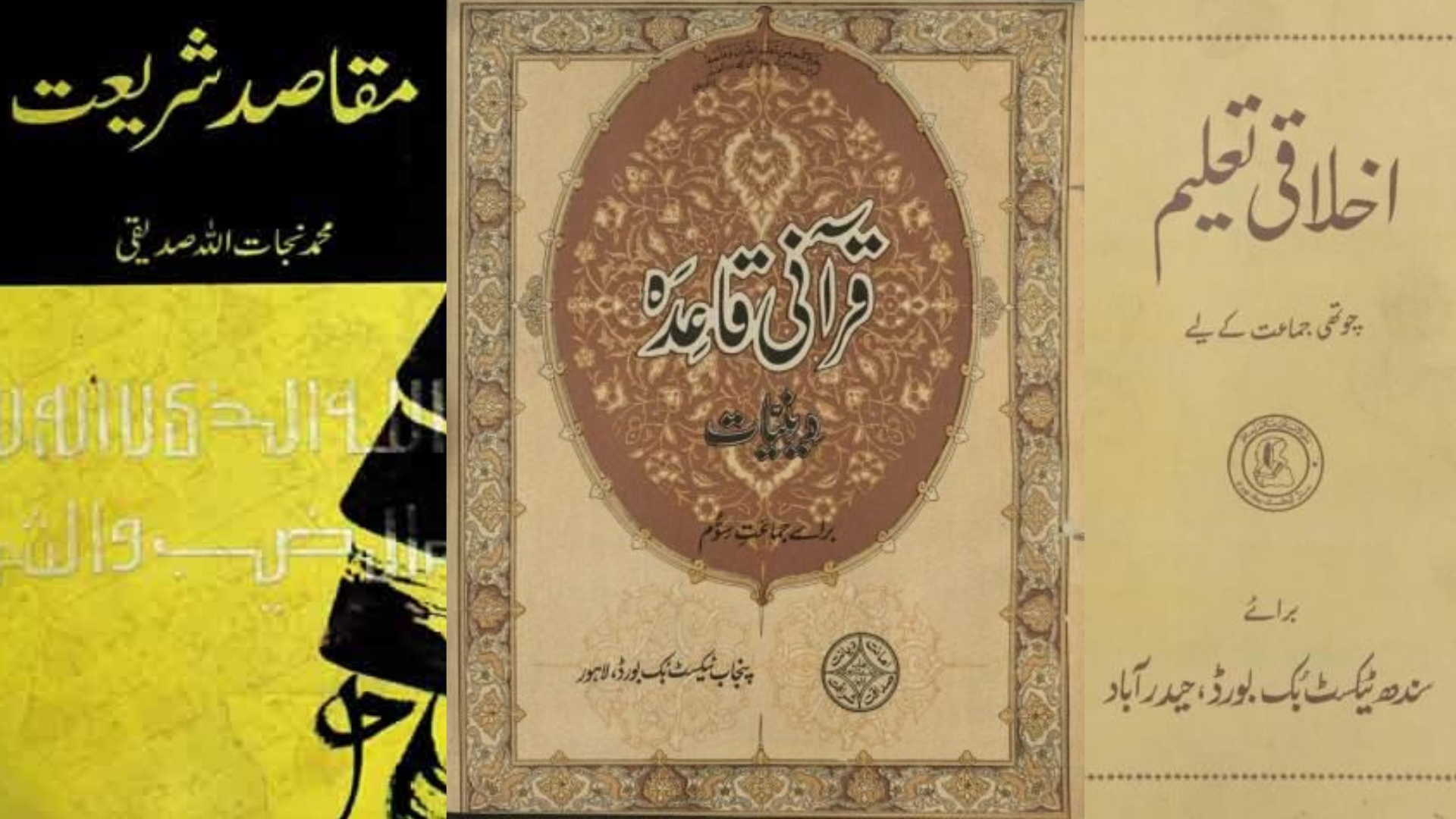
Tafheem ul-Quran, Bahishti Zewar, the great seerah works. You can sound out the words, but reading them fluently and fully is another level.

🕌

The khutbah moves too fast

You understand fragments of the Friday khutbah, but the scholar's flow, references, and rhetoric still leave you behind.

🤲

You're in the community, not deep in it

You can greet and chat, but you can't yet discuss theology, debate gently, or fully join the deeper conversations of the Ummah.

علم

What if you could access it all?

Understand a bayan in full, feeling every word. Read Maududi and Thanvi in the original. Follow the khutbah from beginning to end. Discuss deep matters of faith in the language that binds the largest Muslim community on earth.

What you'll master

📖

Read Islamic Texts Fluently

Move from sounding out words to fluently reading tafseer, fiqh, and seerah. Access the great Urdu Islamic library in full.

🎧

Follow Any Bayan in Full

Understand full-length lectures, khutbahs, and discussions at native speed, including the nuance and rhetoric, no subtitles.

🤝

Join Deep Conversations

Discuss theology, character, and community in Urdu. Move from small talk to the real conversations of the Ummah.

🕋

Deepen Your Vocabulary

Master the rich Arabic-rooted vocabulary of Islamic Urdu, strengthening your connection to Quranic and classical terminology.

A language of 230 million Muslims

230M+Urdu-speaking Muslims worldwide
#1Most spoken language among Muslims after Arabic
6+Countries with major Urdu-speaking Muslim communities

The Urdu Islamic library

Tafheem ul-Quran

Maulana Maududi's monumental tafseer, one of the most widely read in the Muslim world. The Urdu original carries a depth and rhetorical power that no translation fully captures.

Bahishti Zewar

Maulana Ashraf Ali Thanvi's classic guide to everyday Islamic living. Still one of the most gifted books in South Asian Muslim households.

Urdu Nasheeds

From Junaid Jamshed's naats to classical hamd and naat traditions. The beauty of Islamic devotional poetry in Urdu is unmatched.

Contemporary Scholars

Tariq Jameel's bayans, Mufti Taqi Usmani's lectures, Dr. Israr Ahmed's Quran sessions. Thousands of hours of profound Islamic content, all in Urdu.

Iqbal's Islamic Philosophy

Allama Iqbal's "Reconstruction of Religious Thought in Islam" is in English, but his poetry, his deepest expression of Islamic identity, exists only in Urdu and Persian.

Seerah and History

Urdu has a rich tradition of seerah literature and Islamic history writing. Works by Shibli Nomani, Syed Sulaiman Nadvi, and others are foundational texts in Islamic scholarship.

Scholars you'll understand

Millions of Muslims watch these lectures on YouTube every day. With advanced Urdu, you join them fully.

Maulana Tariq Jameel

One of the most followed Islamic speakers in the world. His bayans on spirituality, character, and faith move millions. Almost entirely in Urdu.

Mufti Taqi Usmani

A leading authority in Islamic finance and Hanafi jurisprudence. His Urdu lectures on fiqh and Quran commentary are essential listening.

Dr. Israr Ahmed

His systematic Quran lectures transformed how a generation understood the Book. His Urdu was precise, scholarly, and deeply moving.

Local Imams Everywhere

From East London to Houston to Dubai, your local imam likely delivers khutbahs and halaqas in Urdu. Understanding him directly changes your Jumu'ah experience entirely.

An advanced path: B2 to C1

This is an advanced specialization. It assumes you already have the basics (A1 to B1), whether from family, study, or our foundation course. Starting from the beginning? Choose the bundle below and get the foundation included.
Module 1

Reading Islamic Texts

  • Fluent reading of religious Urdu
  • Tafseer, fiqh, and seerah vocabulary
  • Classical and contemporary styles
  • Reading without transliteration
  • The great Urdu Islamic library
Module 2

Understanding Bayans

  • Following full lectures at native speed
  • Scholarly rhetoric and references
  • The khutbah, beginning to end
  • Nuance, emotion, and emphasis
  • No subtitles needed
Module 3

Discussing Faith

  • Theological and ethical vocabulary
  • Expressing belief and reflection
  • Gentle debate and discussion
  • Community and halaqah conversation
  • Sounding articulate, not basic
Module 4

Devotion & Culture

  • Nasheeds, naats, and hamd traditions
  • Iqbal and devotional poetry
  • Adhkar and duas in context
  • Urdu-Arabic vocabulary bridge
  • Teaching your children

Urdu and Quranic Arabic

Urdu absorbed thousands of Arabic words through centuries of Islamic scholarship. When you learn Urdu, you're simultaneously reinforcing your understanding of Quranic vocabulary.

Words like صبر (patience), رحمت (mercy), علم (knowledge), تقویٰ (God-consciousness), ایمان (faith), and نور (light) are used in Urdu with the same meanings as in the Quran. Learning Urdu doesn't replace Arabic study, but it creates a bridge that makes Arabic vocabulary feel familiar.

Phrases you'll use daily

اللہ آپ کو برکت دے

May Allah bless you

جمعہ مبارک

Blessed Friday

نماز کا وقت ہو گیا

It's time for prayer

رمضان مبارک ہو

Blessed Ramadan to you

آج کی خطبہ بہت اچھی تھی

Today's khutbah was excellent

کیا آپ نماز پڑھ چکے ہیں؟

Have you prayed yet?

Beyond translation

The scholar's emotion is lost

When Tariq Jameel cries during a bayan, it's his Urdu words that carry the weight. Subtitles give you the meaning. The language gives you the feeling.

Urdu Islamic vocabulary has no English equivalent

Words like "تزکیہ" (spiritual purification), "خشوع" (deep humility in prayer), "توکل" (complete reliance on Allah). These concepts exist in English definitions but live in Urdu usage.

Community happens in Urdu

The conversation after Jumu'ah. The discussion at the iftar table. The WhatsApp group for the halaqah. Real Muslim community life in diaspora communities often happens in Urdu.

Poetry is untranslatable

Iqbal's poetry, the naats of Ahmed Raza Khan, the hamd tradition. Islamic devotional poetry in Urdu is a spiritual experience that disappears in translation.

Urdu in your daily ibadah

At the mosque

Follow the khutbah. Greet brothers and sisters properly. Understand announcements. Participate in the halaqah discussion instead of sitting silently.

During Ramadan

Understand Taraweeh explanations. Join iftar conversations. Follow Ramadan programmes and lectures in Urdu. Feel the communal spirit fully.

At Islamic events

Eid gatherings, milad celebrations, Islamic conferences. When the speaker switches to Urdu, you follow along instead of checking your phone.

Online learning

Thousands of hours of Urdu Islamic content on YouTube, podcasts, and apps. A new world of scholars, discussions, and knowledge opens up to you.

Before and after

You today

  • Catch the gist of bayans, miss the depth
  • Sound out texts but can't read them fluently
  • Follow fragments of the khutbah
  • Greet and chat, but stay on the surface
  • Sense the beauty of naats without grasping it
  • Rely on others to explain the deeper points

You in 6 months

  • Watch any bayan in full, feeling every word
  • Read Maududi and Thanvi in the original
  • Follow every word of the Friday khutbah
  • Join deep discussions and build brotherhood
  • Feel the poetry and devotion in nasheeds
  • Access Islamic knowledge independently

Urdu connects everywhere

In East London mosques. In Houston Islamic centres. In Dubai's Pakistani community. In Madinah during Hajj season. Wherever Muslims gather in significant numbers, Urdu is spoken. Learning it doesn't just give you access to books and lectures. It gives you access to people, to brotherhood, to a global network of faith that speaks one language.

Before you decide

I can follow some Urdu already. Is this for me?

Exactly. This advanced specialization takes you from partial understanding to fluently reading texts and following any bayan or khutbah in full, with all the nuance.

Do I need the foundation course first?

This is an advanced B2 to C1 specialization, so it assumes A1 to B1 basics. If you've grown up around Urdu or studied it, you may already have them. If not, choose the bundle below, which includes the full A1 to B1 foundation.

I'm not Pakistani. Is this for me?

Absolutely. This is for any Muslim of any background who wants access to Urdu Islamic content. Many Arab, African, Southeast Asian, and convert Muslims learn Urdu specifically for its Islamic literature and community access.

Is the course taught from an Islamic perspective?

The course teaches the Urdu language with Islamic content and context woven in naturally. It's respectful of all schools of thought and focused on the language itself, not on promoting any particular interpretation.

What's the difference between the two options?

The specialization alone () is the advanced B2 to C1 course. The bundle () adds the complete A1 to B1 foundation, ideal if you're starting closer to the beginning.

Is access really for life?

Yes. One payment, lifetime access, including all future updates. No subscriptions.

Invest in your ilm

Muslims Specialization

B2 to C1 · advanced course

For those who already have the basics
  • Read Islamic texts fluently
  • Follow any bayan and khutbah in full
  • Discuss faith in depth
  • Devotional poetry and Arabic bridge
  • Lifetime access and updates
Get the specialization

علم کا دروازہ کھولیں

The door to knowledge is open.

The scholars are speaking. The books are written. The community is gathering. All in Urdu. The only question is whether you'll understand it fully.

Reach Advanced Urdu