شعر غزل دیوان قلم مصرع بحر ردیف قافیہ مشاعرہ

For lovers of poetry

Read Ghalib the way Ghalib wrote.

You've read the translations. You know they're shadows. The rhyme vanishes. The metre breaks. The wordplay disappears. Every translation of Urdu poetry carries a footnote that says: "This doesn't capture it." It's time to stop reading the footnotes and start reading the poetry.

Start Reading
📖

Translations are beautiful lies

Every English translation of Ghalib adds a paragraph of explanation for what one couplet does in two lines. The economy, the elegance, the shock of the original: gone.

🎵

You can't hear the music

Urdu poetry is built on metre (bahr), rhyme (qafia), and refrain (radif). These aren't decoration. They're the architecture. In English, you get the furniture without the building.

🎭

Wordplay is untranslatable

When Ghalib uses a word that means both "wound" and "flower," the entire couplet operates on two levels simultaneously. No translation can do that. You need the language.

🌙

You're outside one of the great traditions

Urdu poetry is one of the richest literary traditions in the world. 500 years of ghazals, nazms, qasidas, marsiyas. You know the names. It's time to know the words.

شعر

What if you could read the original?

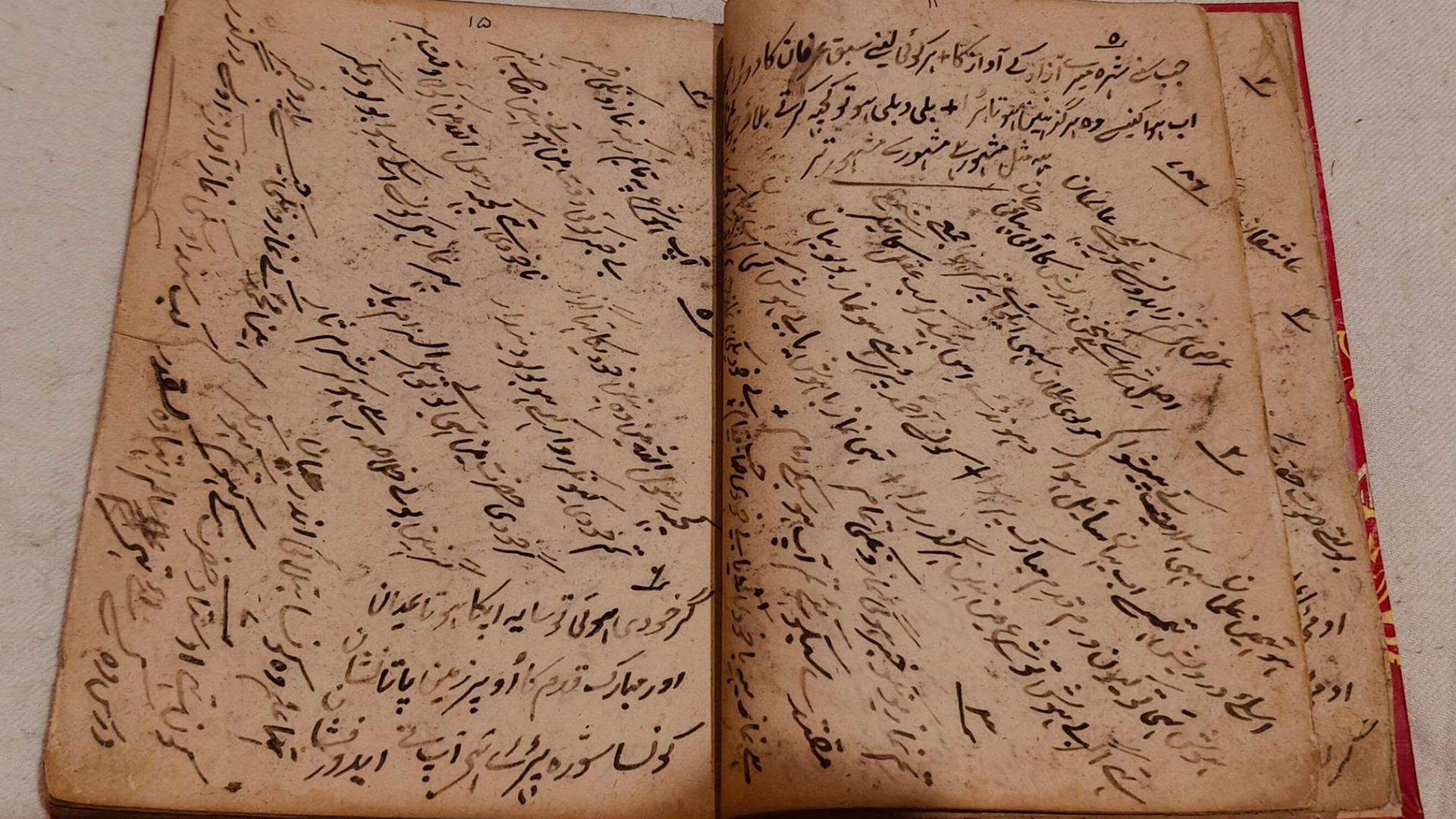
Imagine opening Ghalib's Divan in Nastaliq script and understanding. Hearing Faiz recited at a mushaira and feeling every word. Reading Iqbal and understanding why he made nations weep. Not through someone else's words. Through the poet's own.

What you'll master

📜

Read Nastaliq Script

The script of Urdu poetry. Beautiful, flowing, and essential. You can't read a divan, a mushaira programme, or a calligraphic rendering without it.

🎶

Understand Poetic Forms

Ghazal, nazm, qasida, marsiya, rubai. Each form has its own rules, its own music, its own emotional register. Learn to recognize and appreciate them.

🔑

Poetic Vocabulary

The classical imagery system: the nightingale (bulbul), the rose (gul), the beloved (mahboob), the tavern (maikhana). Centuries of shared symbols that every poet uses.

👂

Listen and Feel

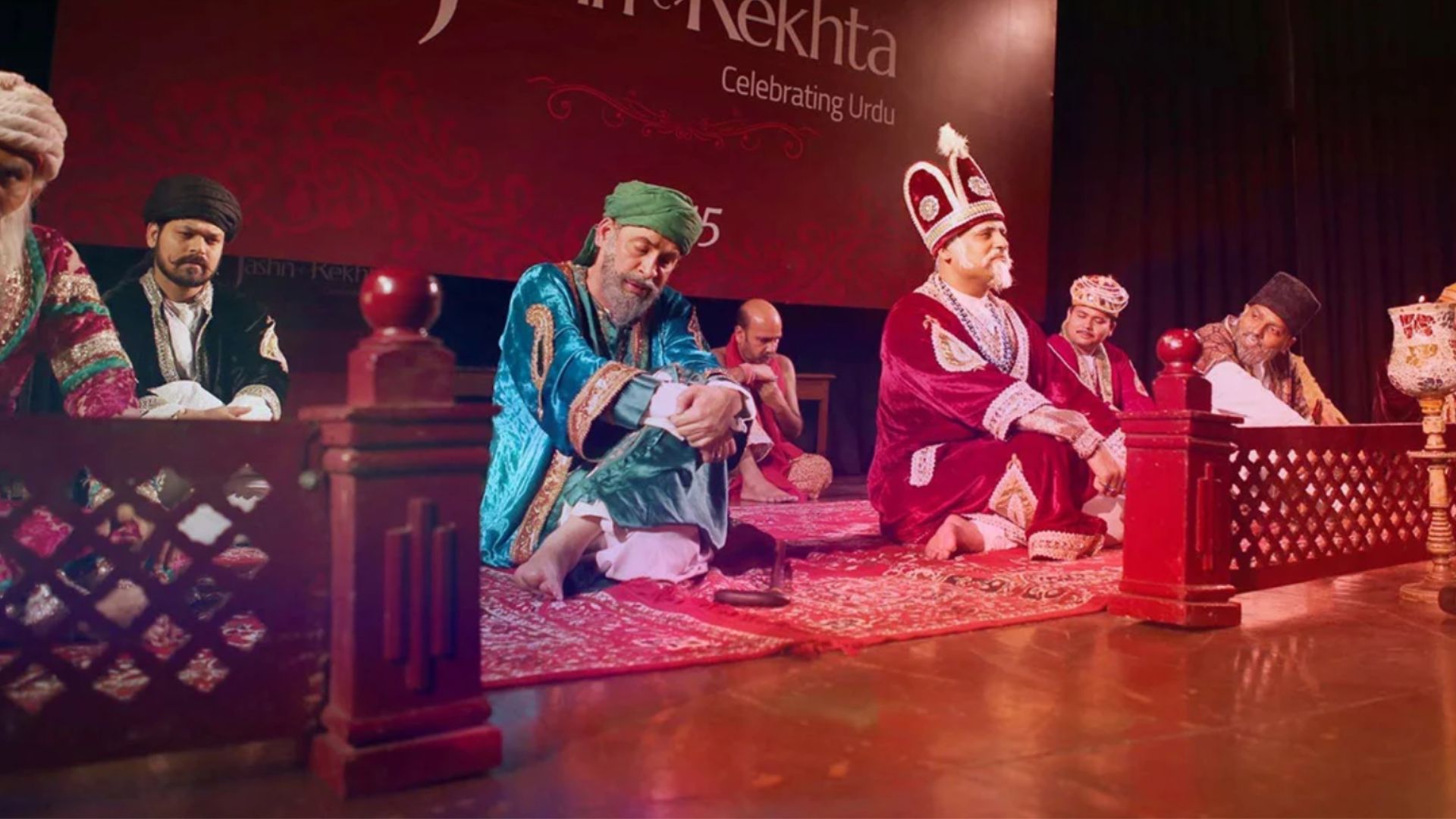
Poetry is oral art. Understanding spoken Urdu means you can attend mushairas, listen to recordings of Faiz reciting his own work, and feel the rhythm that makes audiences say "wah wah."

Poets you'll finally read

Mirza Ghalib
1797 - 1869

The greatest ghazal poet in Urdu literature. His couplets are puzzles, paradoxes, and philosophical depths compressed into two lines. Quoted daily across South Asia 200 years later. Reading Ghalib in the original is the single best reason to learn Urdu.

Allama Iqbal
1877 - 1938

The poet who imagined Pakistan into existence. His Urdu and Persian poetry is a fusion of Islamic philosophy, Western thought, and revolutionary fire. "Shikwa" and "Jawab-e-Shikwa" are masterpieces that move nations. Untranslatable in their full power.

Faiz Ahmed Faiz
1911 - 1984

Revolutionary romantic. He fused the language of love poetry with political resistance, creating a style that inspired movements across the world. His voice reciting his own poetry is one of the great recordings in any language.

Mir Taqi Mir
1723 - 1810

The "God of Urdu Poetry." Where Ghalib is intellectual, Mir is emotional. His ghazals express heartbreak with a simplicity that cuts deeper than any complexity. Even Ghalib called him the master.

Jaun Elia
1931 - 2002

The rebellious philosopher-poet. Dark, existential, brutally honest. His poetry speaks to modern alienation in a way that resonates with younger generations. A cult figure whose work demands the original Urdu.

Contemporary Voices
Living tradition

Urdu poetry is not a museum. Poets like Parveen Shakir, Ahmad Faraz, and new voices on social media continue the tradition. Instagram, Twitter, and YouTube are full of new Urdu poetry. The tradition lives and evolves.

From alphabet to appreciation

Level A1

Foundations

  • Urdu alphabet (Nastaliq script)
  • Basic vocabulary and sentences
  • Reading simple texts
  • Pronunciation and phonetics
  • Introduction to poetic vocabulary
Level A2

Reading Fluency

  • Reading full sentences in Nastaliq
  • Expanded vocabulary (emotional, natural)
  • Understanding simple couplets
  • Classical imagery: bulbul, gul, saqi
  • Listening to recited poetry
Level B1

Poetic Comprehension

  • Read and understand ghazals
  • Poetic forms and metres
  • Analyse couplets independently
  • Understand mushaira recordings
  • Read biographical and critical texts
Bonus

Deep Appreciation

  • Guided readings of major poets
  • Ghazal structure and conventions
  • The Persian-Urdu connection
  • Modern Urdu poetry and social media
  • Attending mushairas: what to listen for

What awaits you in the original

These are the kinds of couplets you'll learn to read, understand, and feel. Each one is a universe in two lines. No translation can hold them. That's why you're here.

On the paradox of expression

ہزاروں خواہشیں ایسی کہ ہر خواہش پہ دم نکلے

Mirza Ghalib

On the nature of the self

خودی کو کر بلند اتنا کہ ہر تقدیر سے پہلے

Allama Iqbal

On love and solitude

دکھی ہیں جس قدر ہم تم سے کہنا کیا ضرور ہے

Mir Taqi Mir

500+ Years of ghazal tradition
1000s Of published divans
Beauty in the original

Beyond translation

Metre is meaning

Urdu poetry is built on quantitative metre (bahr). The rhythm isn't decoration, it's part of the meaning. A ghazal in translation is prose with line breaks. In the original, it's music.

Wordplay creates layers

Urdu poets exploit words with multiple meanings (iham), creating couplets that operate on two or three levels simultaneously. Translations can only pick one level. You lose the others.

The refrain (radif) is the heartbeat

In a ghazal, the same word or phrase ends every couplet. It creates a hypnotic rhythm, a returning echo. In English, it becomes repetitive. In Urdu, it's the pulse of the poem.

Script is art

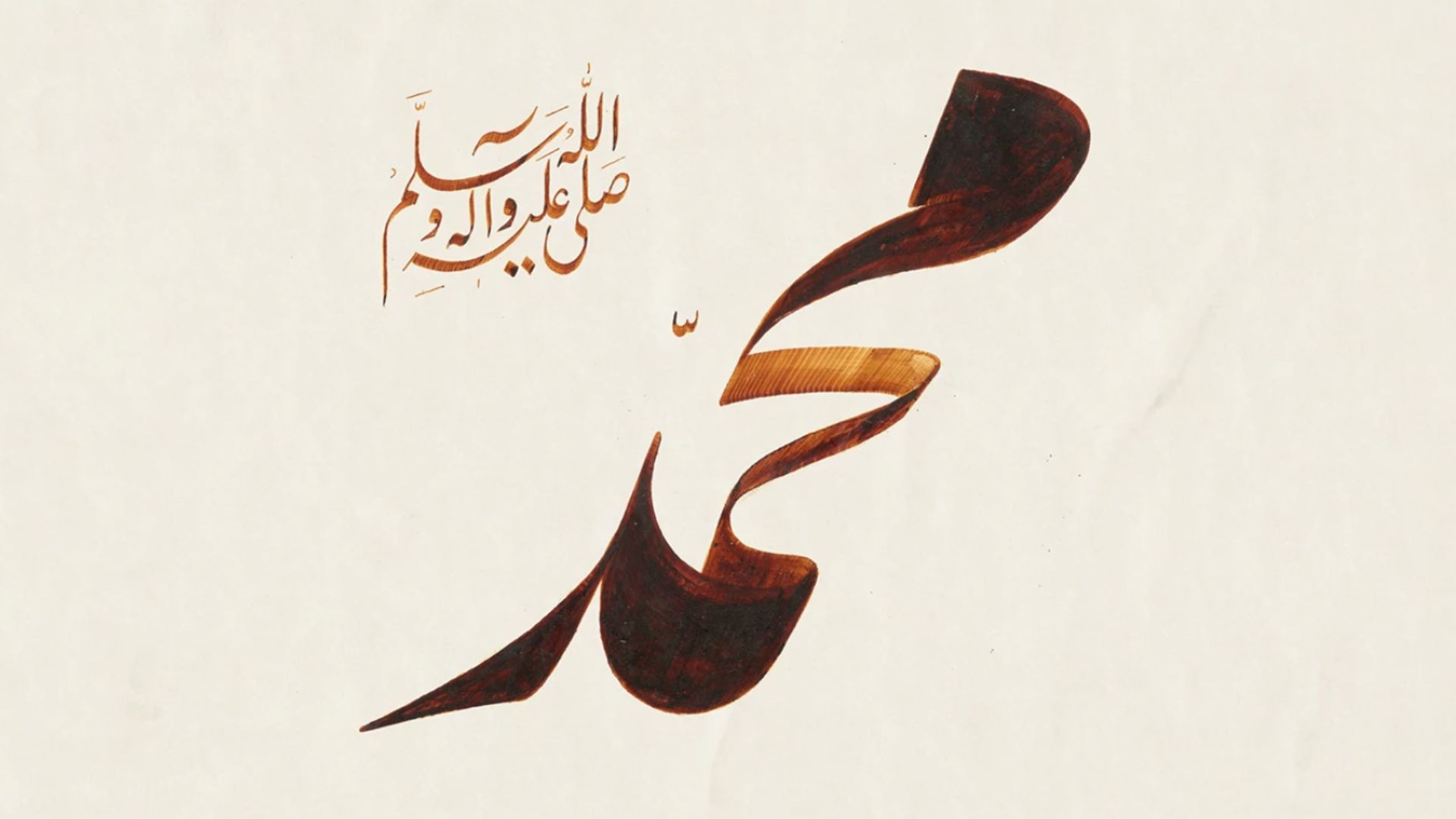
Nastaliq calligraphy is a visual art form in itself. The way a couplet looks on the page is part of the experience. Poetry in roman script or English letters loses an entire dimension.

Before and after

Before

  • Read Ghalib in footnoted English translations
  • Know the poets' names but not their words
  • Listen to ghazals for the melody only
  • See Nastaliq calligraphy as decoration
  • Watch mushairas without understanding
  • Appreciate Urdu poetry from the outside

After

  • Open the Divan and read it yourself
  • Understand every word of every couplet
  • Feel the poetry and the music together
  • Read Nastaliq as the art form it is
  • Say "wah wah" and mean it
  • Join the tradition, not just admire it

Before you begin

I don't know any Urdu. Can I really learn to read poetry?

Yes. The course starts from the first letter of the alphabet. By B1, you'll be reading and understanding ghazals. Poetry is actually a great motivator because every new word unlocks a new couplet.

I already know Hindi. Do I need this?

If you can't read Nastaliq script, you can't read Urdu poetry in its original form. This course focuses heavily on reading and writing in Nastaliq, plus the classical poetic vocabulary that differs from everyday Hindi.

How long until I can understand a ghazal?

Simple couplets by A2 (about 4 months). Full ghazals with appreciation of form, metre, and wordplay by B1 (about 8 months). But you'll start recognizing words and phrases in poetry within weeks.

Does this cover Persian poetry too?

The course is focused on Urdu, but it covers the Persian-Urdu connection and shared vocabulary. Understanding Urdu gives you a foundation that makes Persian poetry more accessible later.

Is classical Urdu different from modern Urdu?

Classical poetry uses some archaic vocabulary and more Persian/Arabic loanwords. The course teaches modern Urdu first, then introduces the classical vocabulary layer needed for poetry. The script and grammar are the same.

What do I get for £299?

Lifetime access to a complete A1 to B1 curriculum with poetry-focused modules, guided readings of major poets, downloadable materials, and all future updates. One payment, no subscriptions.

Enter the tradition

Lifetime Access

Poetry Enthusiasts Complete Course

Everything you need to read Urdu poetry in the original. One payment. No subscriptions. Yours forever.

£299 once
  • Complete A1 → B1 Urdu curriculum
  • Nastaliq script from zero
  • Classical poetic vocabulary
  • Ghazal structure and appreciation
  • Guided readings of major poets
  • Downloadable study materials
  • All future updates included

شاعری کی زبان سیکھیں

The poets are waiting.

Ghalib wrote for you. Iqbal dreamed for you. Faiz fought for you. Mir wept for you. They just wrote it in a language you haven't learned yet. Until now.